
INDEPENDENT CARE · MANCHESTER

Your local pharmacy. Here for Manchester.

Personal advice. Everyday prescriptions. Care that fits your life. From your first question to your next appointment, our team is here for you — right in the heart of Manchester.

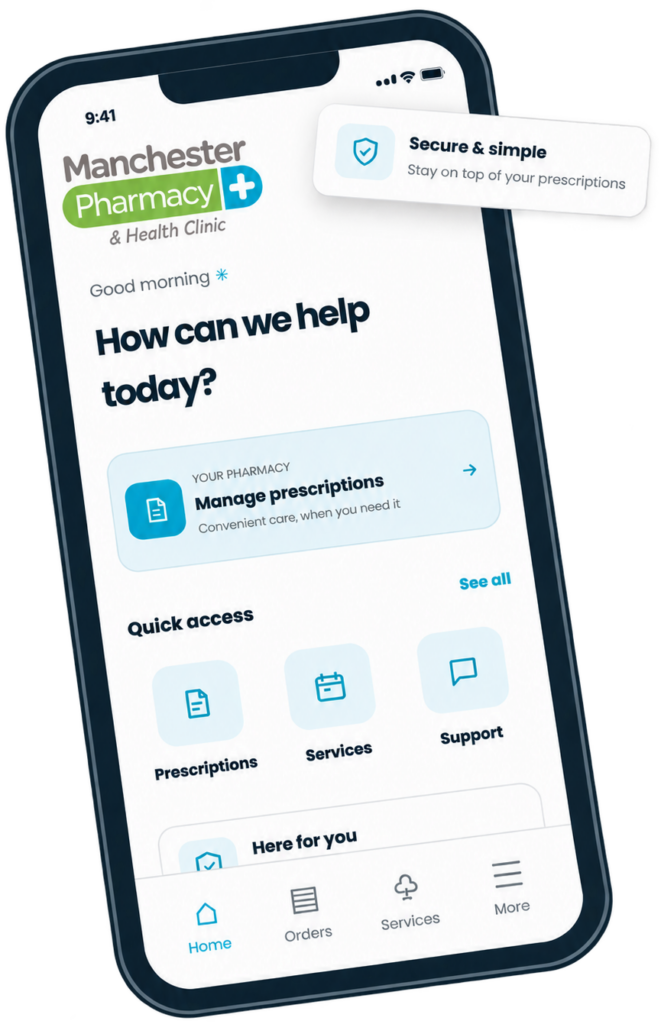
THE MANCHESTER PHARMACY APP

Your pharmacy. In your pocket.

Manage prescriptions for you and your loved ones, follow their progress and stay connected with our team — in one easy-to-use app.

Free to download · Available for iOS and Android

A LITTLE ABOUT US

Independent care. Genuinely local.

Manchester Pharmacy & Health Clinic is an independent pharmacy in central Manchester, helping people with NHS prescriptions, private services and everyday healthcare advice.
Our pharmacists and clinicians are here to make care more approachable, with the expertise and attention you deserve.

Experienced professionals

Support from qualified pharmacy clinicians.

Care you can rely on

Clinical support tailored to your needs.

WHAT WE CAN HELP WITH

Let's find the care you need.

Ready to book a clinic appointment or have a question? We're here to help.

PATIENT REVIEWS

Trusted by our community.

Hear from the people we care for every day across Manchester.

4.1 ★

Based on 157+ patient reviews

HEALTH ADVICE & NEWS

Latest from our pharmacy blog.

Practical tips, seasonal guidance and updates from our pharmacists, written to help you look after your health.

Tips to Prevent Winter Flu Outbreaks

Preventing winter flu outbreaks takes several measures working together: annual vaccination, cleaner indoor air, good hygiene and staying away from others when unwell. No single precaution removes every risk, but combining them helps protect families, colleagues and people more likely to develop serious illness. These practical flu prevention tips explain where to focus your efforts. (cdc.gov)

Why is flu season in the winter?

Flu season usually peaks in winter in temperate climates because cold, dry conditions can favour influenza transmission, while people spend more time together indoors. Closed windows and crowded rooms create more opportunities to share infectious respiratory particles. Winter weather does not cause flu itself: infection requires exposure to an influenza virus. (newsinhealth.nih.gov)

Humidity helps explain the pattern. In drier air, moisture evaporates from respiratory droplets more quickly, leaving smaller particles that can remain suspended. Laboratory research also shows that temperature and humidity influence influenza transmission, although real-world spread depends on behaviour, ventilation and other factors too. (stacks.cdc.gov)

This seasonal pattern is not universal. Research across different climates shows that influenza can follow different patterns in tropical regions, including activity associated with rainy conditions. Even in places with a clear winter peak, the calendar alone cannot tell you whether exposure is likely. (pmc.ncbi.nlm.nih.gov)

The practical lesson is to think beyond keeping warm. A comfortable room still needs fresh air, and a busy indoor gathering still deserves sensible precautions. Focus on reducing exposure rather than treating cold weather as the infection itself. (newsinhealth.nih.gov)

How effective is the flu vaccine when viruses keep changing?

The flu vaccine reduces the risk of influenza and can reduce illness severity if infection occurs, but its effectiveness varies between seasons and individuals. Protection depends partly on how closely the vaccine matches circulating viruses, alongside factors such as age and immune health. Vaccination remains worthwhile even though it cannot prevent every case. (cdc.gov)

Influenza viruses gradually change through a process called antigenic drift. These changes can make it harder for existing antibodies to recognise a virus, which helps explain repeat infections and the need to review vaccine composition regularly. Protection also wanes, so last winter’s vaccination should not be treated as lasting protection for every future season. (cdc.gov)

Rather than waiting for reports of a local outbreak, check when vaccination is recommended and available where you live. Protection is not immediate: it generally takes around two weeks to develop after vaccination. If you missed the usual autumn appointment, ask whether vaccination is still appropriate rather than assuming the opportunity has passed. (nhs.uk)

Choose a suitable vaccine with professional advice

Different vaccine formulations suit different ages and health circumstances. Most adults receive an injectable vaccine, while some childhood programmes use a nasal spray containing weakened virus. The nasal vaccine is unsuitable for some children, including certain children with weakened immune systems, so a suitable alternative may be needed. (gov.uk)

Before an appointment, tell the vaccinator about:

  • Previous severe allergic reactions, especially to a vaccine or its ingredients.
  • Pregnancy, immune suppression or relevant medical conditions, which can influence vaccine selection.
  • Ingredient concerns, including egg allergy or religious and dietary considerations, so available alternatives can be discussed.

Do not assume these concerns automatically rule out vaccination. Ask the provider to explain which product is appropriate and why; available options depend on local guidance and supply. (gov.uk)

Make cleaner air part of your winter routine

Ventilation reduces the concentration of infectious particles indoors by replacing shared indoor air with outdoor air. Air filtration can provide another layer of protection, particularly where opening windows is difficult. Neither approach guarantees safety, but both address exposure that handwashing alone cannot prevent. (cdc.gov)

Look first at rooms where people spend time together: living rooms, meeting spaces, classrooms and shared kitchens. Open windows or doors when safe and practical, keep ventilation systems working properly, and avoid blocking air vents. If using a portable air cleaner, choose one suited to the room and follow its operating instructions. (cdc.gov)

For a winter visit, you might suggest a smaller gathering, use the room with the best ventilation, or spend part of the time outdoors when conditions allow. These are practical ways to reduce crowded indoor exposure without abandoning social contact altogether. Give guests permission to postpone if they develop symptoms, rather than encouraging them to attend because arrangements are already made. (cdc.gov)

Build hygiene habits around everyday moments

Hand hygiene helps prevent germs moving from contaminated hands to your eyes, nose or mouth. Coughing into a tissue or your elbow also limits the spread of respiratory secretions. These habits work best when supplies are easy to find, rather than tucked away until somebody becomes ill. (gov.uk)

Use familiar moments as reminders:

  • After arriving home: wash your hands before preparing food or touching your face.
  • After coughing, sneezing or blowing your nose: discard tissues promptly and clean your hands.
  • Before eating: use soap and water; use an alcohol-based hand sanitiser when washing is unavailable.
  • During routine cleaning: pay attention to shared handles, light switches, taps and other frequently touched surfaces. (gov.uk)

Make the routine manageable. Keep tissues near the sofa and beds, put soap where children can reach it, and include shared surfaces in ordinary household cleaning. Avoid letting a focus on spotless surfaces distract from vaccination, ventilation or staying home when sick: each addresses a different part of prevention. (cdc.gov)

Cold vs flu: how can you tell the difference?

Flu usually begins more suddenly than a cold and is more likely to cause pronounced aches, exhaustion and fever. Colds tend to develop gradually and more often centre on a blocked or runny nose, sneezing and a sore throat. However, symptoms overlap, so appearance alone cannot reliably confirm which infection you have. (cdc.gov)

Feature Common cold Flu
Onset Usually gradual Often sudden
Body aches Usually mild Common and sometimes severe
Tiredness Often milder Can be marked
Fever Less common Common, but not universal
Nasal symptoms Often prominent Possible, alongside other symptoms

These are typical patterns, not diagnostic rules. Some people with flu never develop a fever, and the absence of one does not establish that an illness is merely a cold. (cdc.gov)

COVID-19 and other respiratory infections can also produce similar symptoms. A healthcare professional may recommend testing when the result could guide treatment or decisions about protecting others. Avoid waiting for a textbook symptom pattern before taking precautions, particularly around someone vulnerable. (cdc.gov)

Act early when someone becomes unwell

Staying away from others when ill is an important way to interrupt transmission. Tell your workplace, school or planned visitors promptly, and reduce close contact within the household where practical. If you share a home, combine distance with ventilation and consider a well-fitting mask during unavoidable contact. (cdc.gov)

For the general public, US CDC guidance advises returning to normal activities only after symptoms have been improving overall and any fever has been absent without fever-reducing medicine for at least 24 hours. It then recommends added precautions for the next five days, such as cleaner air, masking and distancing. Healthcare settings and some organisations have separate requirements, so check the rules that apply to you. (cdc.gov)

Rest, symptom relief and timely treatment

For uncomplicated flu, rest and fluids can help you recover, while paracetamol may relieve fever and aches if suitable for you. Check medicine labels carefully: combination cold-and-flu products may already contain paracetamol, making accidental double dosing possible. Antibiotics do not treat influenza because it is a viral infection, although a clinician may prescribe them for a bacterial complication. (nhs.uk)

People at higher risk should contact a healthcare professional promptly when flu symptoms begin. Prescription antivirals work best when started early, ideally within the first two days, but later treatment may still benefit people with severe illness or increased risk. Do not assume that missing that initial window means seeking advice is pointless. (cdc.gov)

Adapt precautions to commuting, gatherings and shared spaces

General advice becomes more useful when you connect it to situations you actually face. Think about where you spend prolonged periods indoors, who you regularly meet and whether anyone needs extra protection. Masks can add protection in crowded indoor settings, particularly during increased respiratory illness or around vulnerable people. (cdc.gov)

Consider these practical approaches:

  • On public transport: consider a well-fitting mask during busy journeys, especially if you or someone at home is vulnerable. Where feasible, choose a less crowded service.
  • Before a family gathering: agree that anyone who becomes unwell can cancel without pressure. Plan ventilation in advance rather than waiting until the room feels crowded.
  • At work: ask about remote attendance or flexible leave when ill. Managers can make staying home realistic by explaining arrangements before winter pressures build.
  • At school or childcare: check illness policies and any vaccination arrangements. Ask how staff manage children who become unwell during the day. (cdc.gov)

If you manage a shared setting, decide who will communicate with staff or families and who checks supplies. Keep messages practical and consistent: where tissues are stored, how to report illness and whom to contact about ventilation. A workable plan is more useful than a long list nobody knows how to follow.

Give extra protection to people at higher risk

Flu deserves particular attention around older adults, young children, pregnant people and those with certain chronic conditions or weakened immune systems. Complications can include pneumonia and worsening of existing health problems. Someone who usually manages well with a minor infection may therefore need earlier medical advice when influenza is suspected. (cdc.gov)

If you support a vulnerable relative, agree a simple plan before illness strikes. Write down their usual healthcare contact, discuss what to do if symptoms appear, and arrange alternatives for shopping or essential support if a regular carer becomes unwell. Postponing a symptomatic visit is not letting someone down; find another way to stay in touch while avoiding exposure. (cdc.gov)

Seek urgent medical help for warning signs, including breathing difficulties, persistent chest pain, confusion, seizures, severe dehydration or difficulty waking. Children with fast or laboured breathing, bluish lips, or reduced responsiveness need immediate assessment. Symptoms that improve and then return or worsen also warrant prompt attention; use local emergency services for severe symptoms. (cdc.gov)

Start with a realistic winter prevention plan

You cannot control every exposure, but you can make protective choices easier: arrange recommended vaccination, improve shared indoor air, keep hygiene supplies accessible and agree what happens when someone becomes ill. Add precautions around vulnerable people and seek treatment advice early when needed. The most useful approach is not one dramatic intervention, but several sensible measures used consistently throughout winter. (cdc.gov)

Read article
Understanding NHS Repeat Prescription Process

If you take regular medicine, an NHS repeat prescription lets you request approved items without booking a GP appointment each time. You can ask for the medicine, wait for GP approval, and then collect it from your nominated pharmacy or use delivery where your pharmacy offers it. Costs may also be easier to manage if you understand exemptions and the prescription prepayment certificate options in England.

How does an NHS repeat prescription work?

An NHS repeat prescription is used when a clinician has agreed that you can keep taking a medicine for an ongoing condition. You can then order it again when you are running low. The NHS advises requesting your prescription up to 5 working days before you need the medicine, because your GP surgery must approve the request before the pharmacy can prepare it. (nhs.uk)

Not every medicine can be reordered automatically. Some items may need a review, may be too early to request, or may be controlled medicines that cannot be requested through the NHS App. If something is missing from your repeat prescription online list, contact your GP surgery rather than assuming it has been stopped. (nhs.uk)

The usual ordering routes

Most people can order repeat prescription items in more than one way, although each GP practice may have its own preferred system. NHS repeat prescription ordering is often easiest online, because you can choose the medicines you need, check past requests, and manage your chosen pharmacy without waiting on the phone.

Common routes include:

  • NHS App or NHS website: You can order prescription online by signing in, selecting the Prescriptions tab, and choosing Request a repeat prescription. Your prescription request then goes to your GP surgery for approval. (nhs.uk)
  • Other GP online services: Some surgeries use approved online systems alongside the NHS App. Ask your practice which service they use.
  • Pharmacy arrangements: If your GP has set up repeat dispensing, you may be able to ask your pharmacy directly for the next issue instead of sending a new request each time. (nhs.uk)
  • Contacting your GP surgery: If online access is not suitable, ask the surgery how they accept repeat prescription requests.

For many patients, repeat prescription online works best when the nominated pharmacy is kept up to date. You can choose a high-street pharmacy to collect from, and some pharmacies may offer delivery, but availability depends on the pharmacy. (nhs.uk)

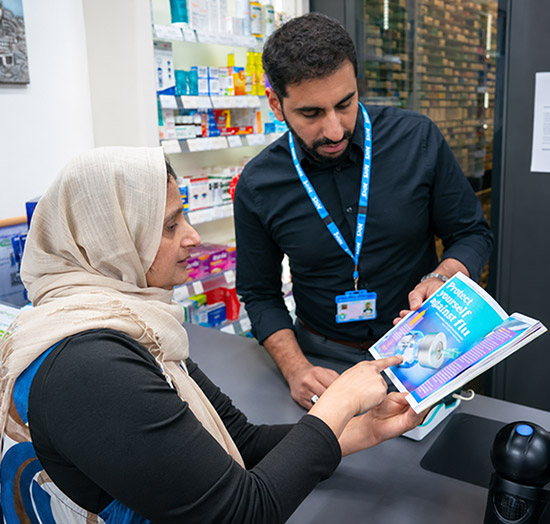
A man and a woman looking at items in a store

A practical checklist before you order

Before you order repeat prescription items, take a minute to check the details. This helps avoid delays, rejected requests, duplicate medicines, or unnecessary extra charges.

  • Check how many days’ supply you have left, and request in good time.
  • Order only the medicines you currently need.
  • Read any notes in the NHS App or GP online service, especially if a review is due.
  • Confirm your nominated pharmacy is correct.
  • If you are going away, ask your GP surgery what they can issue in advance rather than assuming an NHS 3 month prescription will be available.
  • If you pay for prescriptions, consider whether a pre paid prescription option could reduce your costs.
  • If you need medicine urgently, contact your GP surgery; outside normal hours, NHS guidance points patients to NHS 111 online or by phone. (nhs.uk)

This small routine can make the difference between a smooth monthly prescription and a stressful last-minute chase.

Can a prescription prepayment certificate save money?

A prescription prepayment certificate, often called a PPC, can save money if you pay for NHS prescription items in England and need several items over a short period. A standard PPC covers all your NHS prescriptions during the certificate period, no matter how many you need. (gov.uk)

Current NHS prescription prepayment options include a 3-month PPC and a 12-month PPC. GOV.UK lists the standard prescription charge in England as £9.90 per item, with PPC costs of £32.05 for 3 months and £114.50 for 12 months. It says a PPC may be cheaper if you will buy 4 or more prescription items in 3 months, or 12 or more in 12 months. (gov.uk)

You may also hear different names for the same idea, such as pre paid prescription, prepaid prescription certificate, pre paid prescription certificate, prescription prepayment, prepayment prescription, prepaid prescription card, prepaid prescription, NHS prescription certificate, NHS prescription card, pre paid NHS prescriptions, pre prescription payment, or pre pay prescription. In everyday use, these terms usually mean the official NHS prescription prepayment certificate.

Paying monthly and yearly options

If a single upfront payment is awkward, the 12-month certificate can be paid in 10 monthly instalments. That is why many people search for monthly prescription payment, pay for prescriptions monthly, or monthly prescription help. (gov.uk)

The 12-month PPC is also what people often mean by annual prescription NHS, annual prescription, yearly prescription, or NHS yearly prescription. It is not a card in the old-fashioned sense for everyone, but it acts as proof that covered NHS prescription charges have been prepaid for the valid period. If you already have one, make a note to renew NHS prescription prepayment certificate before it expires so there is no gap in cover.

There is also a separate HRT PPC for eligible hormone replacement therapy medicines. GOV.UK lists the HRT PPC as covering eligible HRT prescriptions for 12 months. If you also need other non-HRT prescription items, a standard 3-month or 12-month PPC may be more suitable. (gov.uk)

When to contact your GP or pharmacist

Ordering online is useful, but it does not replace clinical advice. Speak to your pharmacist if you have questions about how to take a medicine, side effects, or interactions with over-the-counter products. Contact your GP surgery if the medicine you need is not shown, your request is rejected, a review is due, or your condition has changed.

You should also ask for advice before stockpiling medicine, changing your dose, or stopping treatment. A repeat prescription exists because the medicine has previously been assessed as suitable, but ongoing checks are part of safe prescribing.

Key takeaways

The repeat prescription process is designed to make regular medicines easier to manage while still keeping GP oversight in place. Order early, use the NHS App or your surgery’s approved system where possible, and keep your pharmacy details current. If you pay for each NHS prescription in England, check whether a prescription prepayment certificate would be cheaper, especially if you regularly collect several items.

Understanding how to get a repeat prescription, how to submit a prescription request, and when to use a PPC can save time, reduce stress, and make ongoing treatment feel much more manageable.

Q&A

Question: How early should I request an NHS repeat prescription?

Short answer: The NHS advises requesting your repeat prescription up to 5 working days before you need the medicine. This gives your GP surgery time to approve the request and allows the pharmacy to prepare it, helping you avoid running out.

Question: What should I do if one of my medicines is missing from my online repeat prescription list?

Short answer: Contact your GP surgery rather than assuming the medicine has been stopped. Some medicines may be missing because a review is due, the request is too early, or the item cannot be requested through the NHS App.

Question: Can I always get several months of medicine before travelling?

Short answer: Not necessarily. If you are going away, ask your GP surgery what they can issue in advance. The text notes that you should not assume an NHS 3 month prescription will be available, because decisions depend on clinical and practice guidance.

Question: When is a prescription prepayment certificate likely to be worth it?

Short answer: A PPC may be cheaper if you pay for NHS prescriptions in England and expect to need multiple items. Based on the GOV.UK figures in the text, it may save money if you will buy 4 or more prescription items in 3 months, or 12 or more in 12 months.

Question: Who should I contact if I have questions about side effects or how to take my medicine?

Short answer: Speak to your pharmacist for advice about how to take a medicine, side effects, or possible interactions with over-the-counter products. Contact your GP surgery if your medicine is not shown, your request is rejected, a review is due, or your condition has changed.

Read article
Health Risks During UK Heatwaves Explained

Health Risks During UK Heatwaves Explained

Summer in the British Isles is traditionally celebrated, but a sudden heat wave can quickly turn our homes and streets into uncomfortable, potentially dangerous environments. Welcome to “Health Risks During UK Heatwaves Explained”, your definitive guide to staying safe when the mercury rises.

With climate change making extremely hot weather much more frequent, a typical heat wave in britain is no longer just an excuse to spark up the barbecue—it is a serious public health issue. Whether we are dealing with unexpected uk june heat or a stifling August weekend, understanding how to navigate a uk heatwave is essential for keeping yourself and your loved ones safe.

Here is everything you need to know about protecting your health when the temperatures soar.

Understanding the Warnings

Before examining the physical impacts, it is vital to understand the official guidance. Having the UK Met Office heat-health alert levels explained makes it significantly easier to prepare. These alerts range from Green (standard summer preparedness) up to Red, which indicates a national emergency.

When a uk heatwave temperature warning is issued, it means the impending uk extreme heat weather poses a significant threat to health, transport, and infrastructure. During a united kingdom heat wave, these alerts help the public and healthcare providers brace for the severe impact of uk heatwave high temperatures. Whether you are tracking official forecasts or hurriedly typing “heetwave uk” into your search engine for a quick local update, staying informed is your very first line of defence against a dangerous weather heat wave.

The Physical Toll of a British Heatwave

How exactly does hot weather uk affect our bodies? A major environmental factor is the impact of high humidity on body temperature regulation. When the air is thick and humid, our sweat cannot evaporate efficiently from the skin, leaving us unable to cool down naturally. This places a massive, often unrecognised strain on the body.

Furthermore, the effects of prolonged heat on cardiovascular health are highly significant. Your heart has to work considerably harder to pump blood to the surface of the skin to dissipate heat. If you take regular prescriptions, you must also be mindful of medications that increase risk of heat sensitivity. Common drugs such as diuretics, antihistamines, and beta-blockers can interfere with your body’s hydration levels or sweating mechanisms, making you much more vulnerable to the intense uk heat.

Recognising Heat-Related Illnesses

During a severe heatwave britain, the ability to identify heat sickness is crucial. The most important distinction to learn is the symptoms of heat exhaustion vs heatstroke.

  • Heat Exhaustion: This is your body crying out for a break. Symptoms include heavy sweating, a rapid but weak pulse, dizziness, nausea, and muscle cramps. Moving to a cool place, lying down, and drinking plenty of water usually resolves it within 30 minutes.
  • Heatstroke: This is a life-threatening medical emergency. The NHS symptoms of heatstroke in adults include a very high body temperature, mental confusion, slurred speech, loss of consciousness, and crucially, a lack of sweating despite the heat.

Knowing exactly when to seek medical help for heat sickness can save a life; if you suspect heatstroke, dial 999 immediately.

Protecting the Vulnerable

Vulnerable groups need particular attention during a heat wave uk. Watch closely for signs of sunstroke in children and babies, which can manifest as extreme lethargy, intense thirst, fewer wet nappies, and unusually hot, dry skin.

Preventing dehydration in elderly during extreme heat is equally vital, as our natural sensation of thirst naturally diminishes as we age. Encourage older relatives and neighbours to drink small sips of water constantly throughout the day, even if they claim they aren’t thirsty.

On a milder but highly irritating note, a common annoyance of british hot weather is sweat rash. Knowing how to treat prickly heat rash at home—by taking cool showers, applying soothing calamine lotion, and wearing loose, breathable cotton clothing—will help keep you comfortable.

Cooling Strategies for Your Home

Most British homes are built with insulation designed to retain winter warmth, making an indoor weather heatwave incredibly uncomfortable. Excellent uk households heatwave advice focuses heavily on keeping the heat out during the day. Closing your curtains or drawing the blinds when the sun is beaming through the glass is one of the best ways to stay cool without air conditioning.

At night, figuring out how to cool down a bedroom in a UK heatwave can feel like an impossible task. Creating a cross-breeze by opening opposite windows once the evening temperature drops is highly effective. Many people rely on electric fans, but you should be aware of the dangers of sleeping with a fan on all night. A constant, direct blast of air can dry out your nasal passages, trigger asthma or allergies by circulating room dust, and cause stiff neck muscles from the continuous chill. Instead, try pointing the fan away from your bed to circulate the air, or place a bowl of ice in front of a rotating fan to distribute a cool mist temporarily before you fall asleep.

Water Warnings, Cold Water Shock, and Pet Safety

A severe uk extreme heatwave brings secondary risks beyond the immediate sun exposure. Local water authorities may issue a uk water warning heatwave, asking residents to minimise hosepipe use and conserve tap water to protect dropping reservoir levels.

Ironically, while we are urged to save tap water, natural bodies of open water pose their own fatal threat. Many people seek relief from a sweltering heatwave england by jumping into local rivers, deep lakes, or flooded quarries. However, the risks of cold water shock during hot weather are incredibly severe. Even when the air is scorching, British waters remain dangerously cold just below the surface. Sudden immersion causes involuntary gasping, rapid breathing, and a spike in heart rate, which can quickly lead to drowning, even for the strongest of swimmers.

Finally, we must not forget our furry companions. Keeping pets safe during extreme UK temperatures is a paramount responsibility. Walk dogs early in the morning or late in the evening to protect their sensitive paws from blistering tarmac, ensure they have constant access to shaded areas and fresh water, and never, ever leave them in a parked car during a uk weather heatwave.

Conclusion

While we all enjoy the sight of clear skies after months of grey, underestimating extremely hot weather can lead to severe health consequences. From understanding the vital difference between heat exhaustion and heatstroke, to safely cooling our insulated homes, navigating a uk heatwave requires a healthy dose of common sense and preparation. By following this guidance, looking out for vulnerable neighbours, and respecting the sheer power of a weather heatwave, you can safely enjoy the British summer without compromising your health.

Q&A

Question: What do the UK Met Office heat-health alert levels mean, and why should I pay attention?

Short answer: The alerts run from Green (normal summer readiness) up to Red (a national emergency). When a heat-health warning is issued, it signals that upcoming extreme heat could seriously affect health, transport, and infrastructure. Treat alerts as a prompt to stay informed, prepare your home to keep heat out, adjust plans to avoid peak heat, and check in on vulnerable people so you’re ready before conditions become dangerous.

Question: Why does high humidity make hot weather feel so oppressive, and how does heat strain the heart?

Short answer: Humidity slows sweat evaporation, which is your body’s main cooling mechanism. When sweat can’t evaporate efficiently, your core temperature rises. To shed heat, your heart must pump more blood to the skin’s surface, increasing cardiovascular workload. Prolonged heat therefore puts significant, often underestimated strain on the body—especially for people with existing heart conditions.

Question: How can I tell the difference between heat exhaustion and heatstroke, and what should I do?

Short answer: Heat exhaustion features heavy sweating, a rapid but weak pulse, dizziness, nausea, and muscle cramps. Move to a cool place, lie down, and drink water; symptoms usually improve within about 30 minutes. Heatstroke is a medical emergency marked by very high body temperature, confusion, slurred speech, loss of consciousness, and notably, little or no sweating. If you suspect heatstroke, call 999 immediately.

Question: What are effective ways to keep my home and bedroom cool without air conditioning, and are fans safe overnight?

Short answer: Keep heat out during the day by closing curtains or blinds when the sun is on the windows. Ventilate at night by opening opposite windows to create a cross-breeze once outdoor temperatures drop. Fans help, but avoid a constant, direct stream on you all night: it can dry nasal passages, stir up dust that triggers allergies or asthma, and cause a stiff neck. Instead, aim the fan away to circulate air, or use a bowl of ice in front of a rotating fan to create a temporary cool mist as you settle to sleep.

Question: Is it safe to cool off in rivers, lakes, or quarries during a UK heatwave?

Short answer: It’s risky. Even in scorching weather, British open water often remains very cold below the surface. Sudden immersion can trigger cold water shock—an involuntary gasp, rapid breathing, and a spike in heart rate—which can quickly lead to drowning, even for strong swimmers. Avoid jumping into unfamiliar or deep open water; seek safer, controlled ways to cool down instead.

Read article
FIND US IN MANCHESTER

Right here for you.

Visit our team, or get in touch before you come. We look forward to welcoming you.

OUR LOCATION
578 Stockport Road

Manchester, M13 0RQ

OPENING HOURS
Come and see us

Monday – Friday

Saturday

Sunday

9:00 am – 6:00 pm

9:00 am – 5:30 pm

Closed

NEED TO TALK?

We're happy to help with any questions.